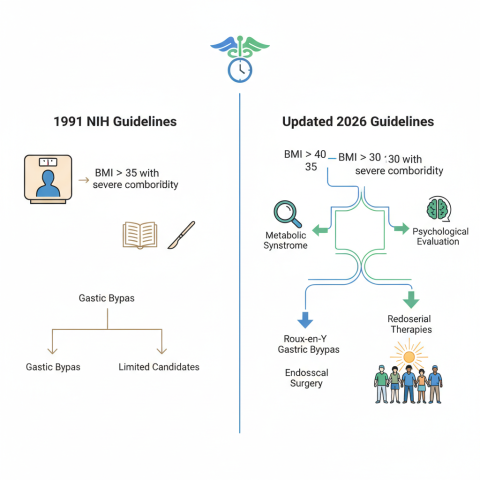
Obesity is associated with a broad spectrum of comorbidities, including metabolic dysregulation, cardiovascular complications, and socioeconomic impacts. Traditional lifestyle interventions often yield transient results in weight management, while bariatric surgery offers a promising alternative. This systematic review adhered to the Preferred Reporting Items for Systematic Reviews and Meta-Analysis (PRISMA) guidelines and focused on randomized controlled trials comparing bariatric surgery (e.g., Rouxen- Y gastric bypass (RYGB), adjustable gastric banding (AGB), and sleeve gastrectomy (SG)) with nonsurgical therapies (drug therapy and lifestyle modifications) in the management of obesity-related comorbidities, particularly hypertension and type 2 diabetes mellitus (T2DM). We comprehensively searched databases like PubMed, PMC, and EBSCO using Medical Subject Headings (MeSH) terms related to obesity, bariatric surgery, and non-surgical treatments. We included seven studies involving participants aged 18-64 published within the last six years. We rigorously assessed these studies for quality and extracted data to evaluate outcomes such as weight loss, diabetes remission rates, hypertension management, and renal function. The review found that bariatric surgery consistently resulted in substantial and sustained weight loss compared to non-surgical therapies. Surgical interventions significantly improved hypertension control, reduced cardiovascular risks, and enhanced glycemic control in diabetic patients. The effectiveness of bariatric surgery in promoting diabetes remission was attributed not only to weight loss but also to physiological changes in gastrointestinal anatomy, gut hormones, and energy balance regulation. Limitations identified in the literature included variations in study methodologies, follow-up durations, and patient characteristics, which limited direct comparisons and generalizations. Future research should incorporate more extended follow-up periods and standardized methods to further validate these findings' durability and broad applicability across diverse patient populations. In conclusion, bariatric surgery emerges as an effective treatment option for managing obesity-related comorbidities, particularly hypertension and T2DM. While acknowledging the inherent risks and complexities associated with surgical interventions, ongoing research and clinical innovations are crucial to optimizing patient outcomes and reducing the global burden of obesity-related diseases.
Leer más